
Château d’Igé****
Hôtel, 4 étoiles au cœur de la Bourgogne
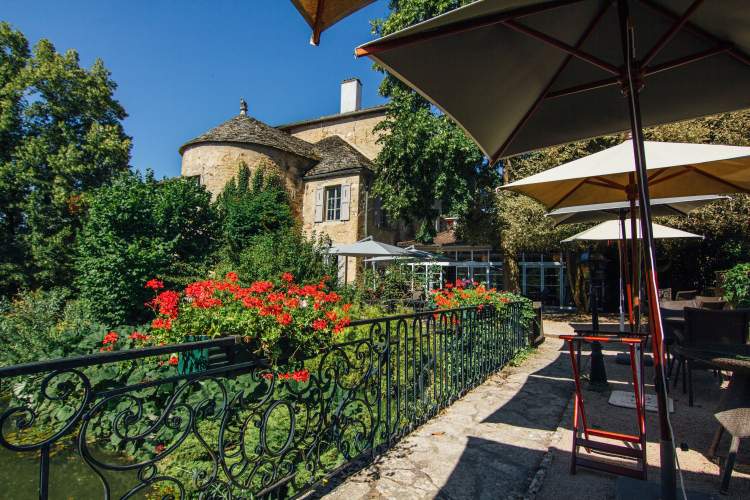
Aménagé dans un château du XIIIe, le Château d’Igé**** est un véritable havre de paix et de verdure au cœur du Mâconnais.
Situé au cœur de la région viticole du Mâconnais, en Bourgogne du Sud, à tout juste 15 minutes de Mâcon et Cluny, 60 minutes de Lyon, 40 minutes de Beaune, et 30 minutes de Tournus, le Château d’Igé fût édifié au temps du roi Saint-Louis, en 1235. Entièrement rénové avec goût lors de la reprise par le groupe Georges Blanc, il offre aujourd’hui, le charme d’un cadre médiéval doté de tout le confort moderne.
Le Parc du Château de 4 hectares, ensauvagé, avec source, roseraie, ruisseau, petit pont, verger, arbres centenaires, vous convie à la promenade et à la rêverie à quelques mètres de sites classés monuments historiques et du vignoble Bourguignon.
La piscine chauffée vous offrira, durant la période estivale, un intermède rafraichissant au cœur des jardins.
Le Château d'Igé**** est membre du réseau Les Collectionneurs.
Profitez de votre déjeuner, dîner ou séjour pour recharger votre véhicule électrique (2 bornes, dont 1 borne Tesla, sont mises gracieusement à votre disposition).
chambres
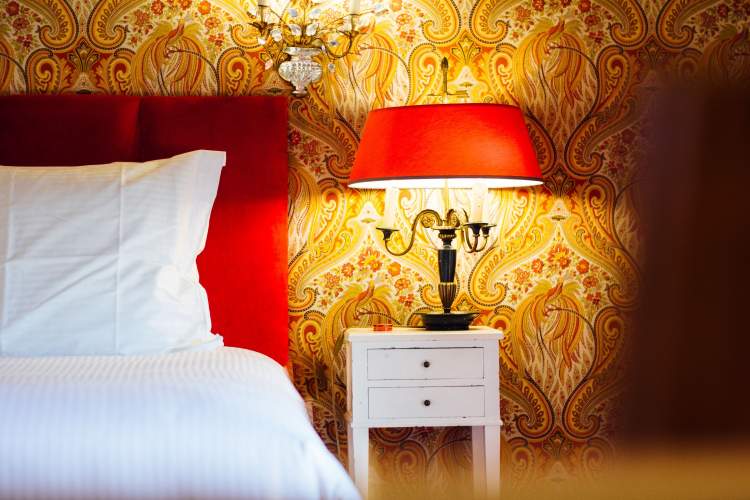
Les chambres 4 étoiles du Château d’Igé
Le Château d’Igé vous propose 10 chambres et 7 suites entièrement rénovées avec goût.
Toutes décorées dans un style différent, elles vous dévoilent chacune leur personnalité.
Les suites sont spacieuses, et faites pour vous détendre et vous sentir comme à la maison mais dans un cadre datant de plus de 750 ans. Plafond vouté, lit à baldaquin, cheminée d’époque, chambre dans les tours, donjons, tomettes de bourgogne, poutres centenaires ne sont que quelques détails qui pimenteront votre séjour.
Notre hôtel de luxe en Bourgogne est équipé pour accueillir les personnes à mobilité réduite.

Restaurant
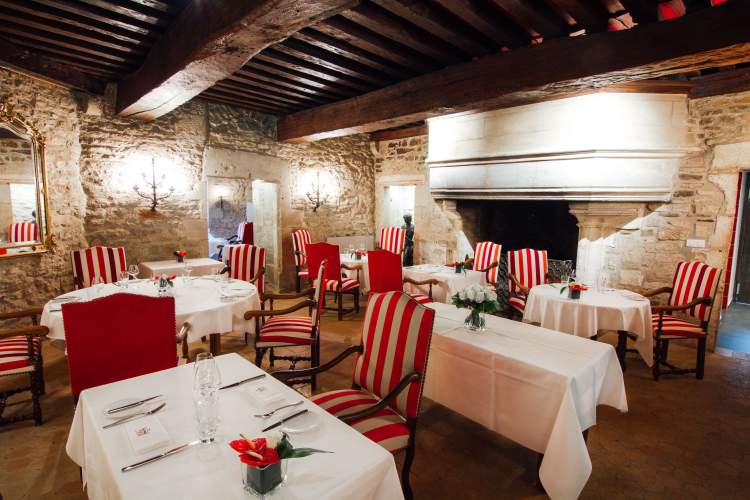
La Table d'Igé
Le restaurant La Table d’Igé fait la part belle aux produits frais de saison et à la cuisine savoureuse.
Il offre un décor châtelain pour déguster une cuisine gastronomique savamment mijotée à partir de produits du terroir et d’exception.
Ouverture :
Pour les déjeuners : de 12h00 à 14h00.
Pour les dîners : de 19h00 à 21h00.
Fermeture hebdomadaire les mardis et mercredis. Fermeture à compter du 19/11/2023.


Evénements
Au Château d’Igé, 4 étoiles
Le Château d’Igé, Hôtel 4 étoiles & Restaurant vous accueille en Bourgogne pour vos séminaires, journées de travail, réunions professionnelles et fêtes familiales tout au long de l’année.